 USD
USD


How a Visual Timer Brings Calm to Everyday Life
In a world that celebrates speed, silence has become a luxury. Between endless notifications, schedules, and tasks, it’s easy to lose our sense of rhythm—the natural flow that gives life its quiet order. Yet, somewhere between the ticking of a clock and the pause of a breath lies a different kind of time—one that we can see, feel, and live with intention.
A visual timer offers this rare simplicity: time you can see, not just hear. It transforms abstract numbers into something tangible and peaceful—a soft reminder that life doesn’t need to rush to have meaning.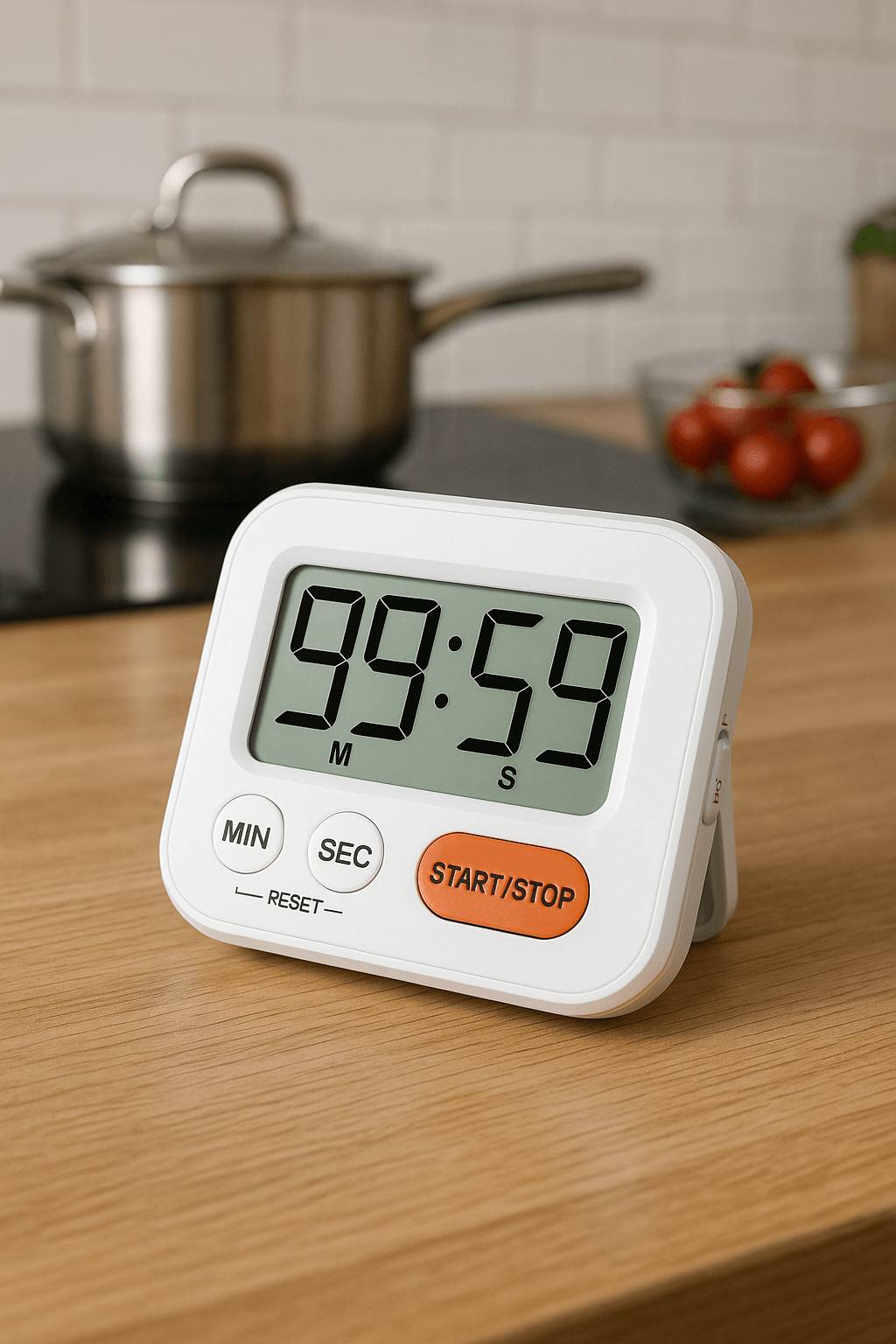
The Rhythm of Calm
There’s a certain beauty in watching time pass without pressure.
A visual timer doesn’t chase you forward like a digital clock; it gently guides you. The color, motion, or gradual fade acts like a slow inhale and exhale—a visual rhythm that mirrors the way we breathe when relaxed.
In the kitchen, as soup simmers and sunlight filters through, the timer marks the minutes not with urgency, but with calm assurance. It tells you: You have enough time.
In the living room, it becomes part of the quiet—next to a candle, a book, or a child’s laughter drifting from another room.
Time, once a source of stress, begins to feel like a companion again.
Bringing Harmony to the Home
Families often move through the day like small planets orbiting around schedules—school runs, meetings, dinners, bedtime. It’s easy for those orbits to clash.
A visual timer can become a quiet center point, especially in a shared home. It gives everyone the same sense of flow: the child who’s learning to focus on homework, the parent who’s cooking, the one who just needs five peaceful minutes before the next thing begins.
When time is seen rather than told, it becomes fair, kind, and predictable.
No one needs to argue over “just five more minutes.” The passing of color or motion says it all—visibly, gently, without words.
This shared understanding restores harmony: no scolding, no rushing—just the soft structure that lets a household breathe together.
The Aesthetics of Simplicity
A visual timer belongs naturally in spaces that value calm design. Its presence is quiet, minimal, often circular—echoing the shape of time itself.
Placed on a shelf or kitchen counter, it doesn’t demand attention; it complements it. In Scandinavian-style homes or cozy reading corners, the timer becomes a small reminder of mindfulness—useful yet unobtrusive, simple yet deeply human.
It’s an object that honors both function and feeling. You set it not because you’re bound by time, but because you’re in conversation with it.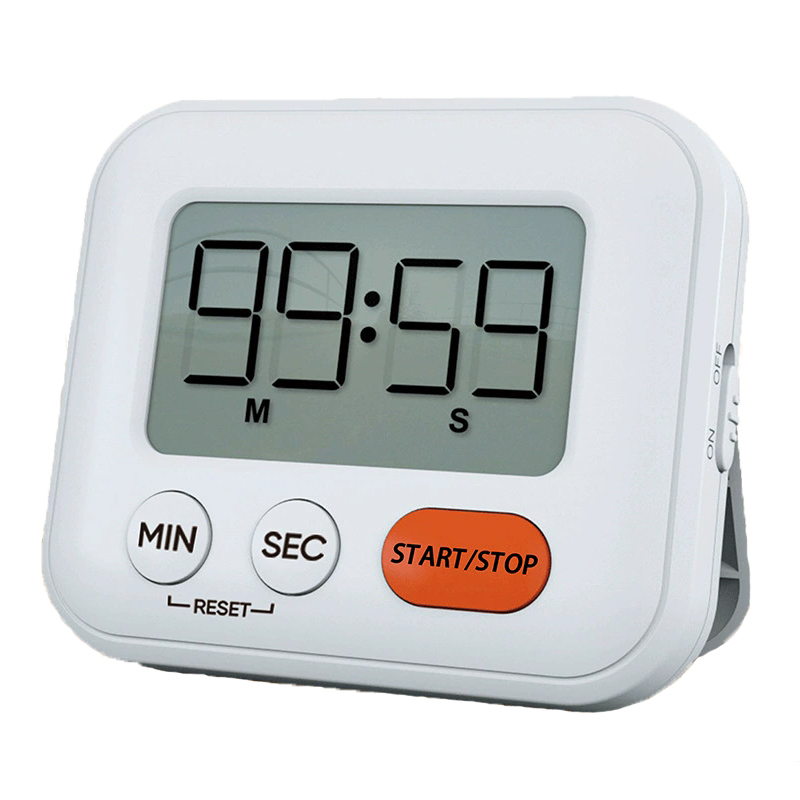
Teaching Presence, Not Pressure
In many homes, children learn the meaning of time through being told what to do: Now it’s bedtime. Now it’s time to clean up.
But when they can see time, they start to feel it.
A visual timer helps children—and adults—build emotional awareness. It turns waiting into watching, tasks into transitions. It teaches patience without punishment.
When a child sees the remaining time fade like sunlight, they begin to understand something deeper than routine: the gentle art of finishing well.
Time becomes less of a rule, and more of a rhythm.
Creating Your Own Rituals of Calm
A visual timer fits naturally into the rituals that shape peaceful homes:
-
The quiet morning when you stretch before the day begins.
-
The focused 25 minutes of reading or journaling.
-
The short, mindful breaks between work tasks.
-
The evening moment when the kitchen grows still again.
These small markers don’t just organize your day—they bring awareness to it.
They remind you that balance isn’t built in big moments, but in the minutes we choose to honor.
The Gentle Reminder We All Need
We often think control means managing every minute, but peace comes from trusting the rhythm itself. A visual timer whispers that truth through simplicity:
Time doesn’t need to shout to be heard.
Each time the color fades to zero, you’re reminded that moments don’t vanish—they complete themselves. And then, gently, another begins.
Maybe that’s the true art of time: not racing against it, but living with it—visibly, calmly, together.
To see time is to respect it.
To live with it gently is to live well.
A visual timer isn’t a tool of urgency—it’s an invitation to balance.
It’s the quiet heartbeat of a home where calm and family harmony are not luxuries, but daily rhythms you can see, touch, and share.